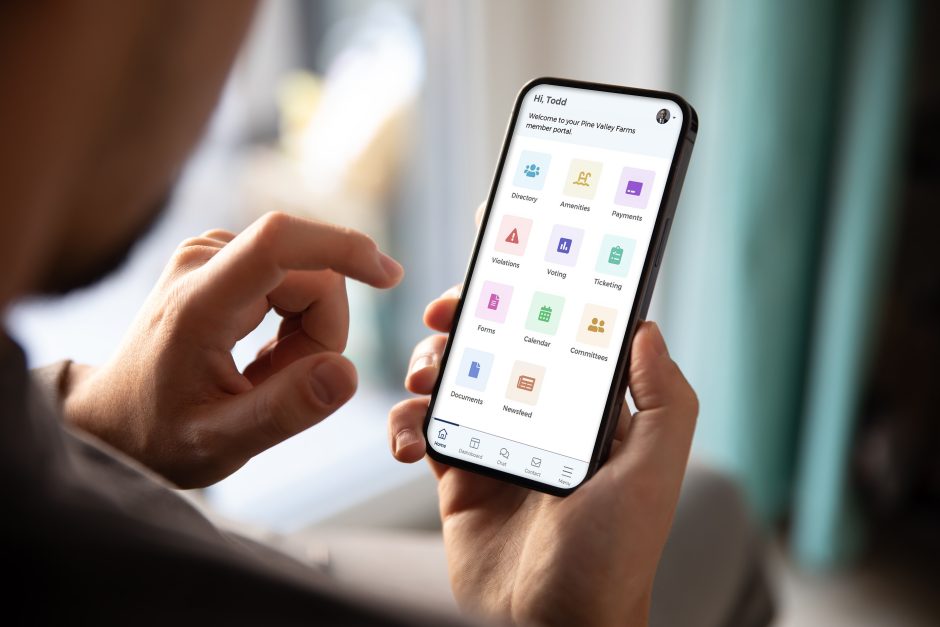
Don’t Skip Proper Training and Onboarding
Begin by scheduling hands-on training sessions for all users, from board members to property managers and inspection staff. Create clear, documented guidelines that outline standard operating procedures, best practices, and troubleshooting steps.
Remember that ongoing support is crucial – consider designating “power users” who can provide immediate assistance to their colleagues and maintain a knowledge base of common questions and solutions.
Consider Your Data Migration Needs
Your historical compliance data is invaluable – don’t leave it behind. Start by mapping out all the data sources you’ll need to consolidate, including existing property records, violation histories, and resident contact information.
Work with your vendor to develop a structured migration plan that includes data cleaning, format standardization, and thorough accuracy verification. This is also an excellent opportunity to update outdated information and establish new data management protocols.
Build A Resident Communication Strategy
Develop a comprehensive plan to inform residents about the new system, emphasizing the benefits they’ll experience, such as faster response times and more transparent violation tracking. Create easy-to-follow guides explaining how residents can interact with the new system, whether accessing violation notices or submitting compliance evidence.
Synchronize Your Property Management Software
Your inspection app should work in harmony with your core property management software.
Look for vendors who regularly update their integration capabilities and can provide clear documentation about how data flows between systems. Consider your future needs as well – will the integration support your community’s growth and potential technology upgrades?

Financial Systems Connections Matter
Your inspection app should integrate smoothly with your financial software to automate the assessment and tracking of violation-related fees. This connection ensures that all financial transactions are properly recorded, from initial fine assessment through to collection and resolution. Look for systems that can generate detailed financial reports showing the monetary impact of your compliance program, including collection rates and outstanding balances.
Think About Ongoing Optimization
Schedule regular reviews of your system’s performance, gathering feedback from all stakeholders: board members, management staff, inspectors, and residents.
Use this information to fine-tune your procedures, update training materials, and work with vendors to address any gaps in functionality. Consider forming a technology committee to oversee continuous improvement efforts and evaluate new features as they become available.
Measuring Success
Establish clear metrics to evaluate the success of your implementation. Track key performance indicators such as inspection completion rates, violation resolution times, and resident satisfaction scores.
Monitor system adoption rates among staff and resident engagement levels through the portal. Use this data to demonstrate the return on investment to your board and identify areas where additional training or process improvements might be needed.