HOA Community Events

Looking to transform your HOA from just a collection of homes into a thriving community? The secret lies in how you bring people together. 

Community events aren’t just social gatherings – they’re the heartbeat of your neighborhood, creating connections that turn neighbors into friends and houses into homes. And when you can create a strong sense of community, you can also increase property values and make your HOA an even more desirable place to live.

But where do you start? Here are some ideas for HOA community event management that can bring everyone together and foster a sense of belonging – no matter your neighborhood size or community scope.


What Are HOA Community Events and Why Do They Matter?

Remember the last time you felt truly connected to your neighborhood? Chances are, it happened at a community event. Whether it was a summer pool party, a holiday celebration, or simply a weekend food truck festival, these moments create the fabric of community life.

HOA community events are organized activities that bring residents together for social, recreational, or educational purposes. 

But they’re so much more than just items on a calendar. They’re opportunities to build relationships, enhance property values, and create the kind of neighborhood people are proud to call home.

Think about it: When potential homebuyers look at your community, they’re not just evaluating the homes – they’re imagining the lifestyle. Active communities with engaging events often see higher property values and faster home sales. It’s simple: People want to live where things happen.

These events also serve as your best defense against the isolation that’s become all too common in modern neighborhoods. In an age where it’s easier to text than talk, community events create natural opportunities for face-to-face interactions that build trust and foster a sense of belonging.

How Do You Plan Successful HOA Community Events?

How Do You Plan Successful HOA Community Events?

Let’s face it – planning community events can feel overwhelming. Between coordinating volunteers, managing budgets, and ensuring everything runs smoothly, there’s a lot to consider. But breaking it down into manageable steps makes all the difference.

Get A Feel For What Your Community Needs

Start with your community’s pulse. What do your residents actually want? 

The most successful HOA events aren’t necessarily the biggest or most expensive – they’re the ones that resonate with your community’s interests and needs. A simple survey can reveal whether your neighborhood would prefer a sophisticated wine tasting or a family-friendly movie night.

Your event planning checklist should start months in advance, but don’t let that intimidate you. Here’s what matters most:

  • Set clear objectives for each event: Are you trying to raise funds, build community spirit, or provide education?
  • Create a realistic budget that includes a buffer for unexpected costs
  • Secure your location and necessary permits early
  • Build a reliable volunteer team with clearly defined roles
  • Develop a promotional strategy that reaches all residents

Consider Event Management & Risk Analysis

One often overlooked aspect of event planning is risk management. While it’s not the most exciting part of planning, taking time to address safety concerns and insurance requirements protects your community and gives your board peace of mind. 

Consider weather contingencies, capacity limits, and any specific risks associated with your chosen activities.

Build a Volunteer Force

The secret weapon in successful event planning? A strong volunteer team. Your community is full of hidden talents – the retired project manager who can keep everything on track, the social media savvy teenager who can help with promotion, or the former caterer who knows exactly how to plan food quantities. Tap into these resources early and make sure everyone feels valued and appreciated.

Invest In The Right Event Management Software

Remember, technology is your friend in this process. Modern HOA management software can handle registrations, payments, and communications, freeing you up to focus on creating memorable experiences. Whether you’re planning a simple coffee morning or a complex holiday gala, the right tools make all the difference.

What Types of HOA Community Events Drive the Most Engagement?

Ever noticed how some community events have waiting lists while others struggle to fill seats? The secret isn’t just in the planning – it’s in understanding what truly resonates with your residents. Let’s explore the events that consistently turn neighbors into active participants.

Seasonal Celebrations That Create Traditions

Seasonal celebrations naturally draw crowds because they tap into existing excitement and traditions. 

  • A well-organized Halloween trunk-or-treat or a festive holiday lighting contest creates moments that families look forward to year after year.
  • Spring egg hunts bring out young families in droves, while summer block parties become the talk of the neighborhood. 
  • Fall harvest festivals with pumpkin decorating and apple cider create cozy community moments. 
  • Winter holiday markets featuring local vendors not only bring residents together but support local businesses too.


Family-Focused Gatherings

Family-friendly gatherings remain the backbone of successful HOA events. Movie nights under the stars, community pool parties, and neighborhood scavenger hunts attract multiple generations. When parents know their kids will be entertained, they’re more likely to mark these events on their calendars.

Consider adding events like:

  • Back-to-school ice cream socials
  • Parent-child dance nights
  • Community talent shows
  • Weekend morning cartoon and pancake breakfasts
  • Family game nights with life-size board games

Food-Centric Community Builders

Don’t underestimate the power of food to bring people together. Food truck festivals, neighborhood cookouts, and international potlucks consistently rank among the most popular community events. 

There’s something about sharing a meal that breaks down barriers and encourages genuine connections.

Successful food events might include:

  • Monthly food truck rallies
  • Potluck nights
  • Community cookbook competitions
  • Neighborhood baking contests

Active Lifestyle Events

Active lifestyle events are gaining momentum in many communities. Pickleball tournaments, community fun runs, and group fitness classes in common areas appeal to health-conscious residents while promoting wellness within your community. These events often create lasting activity groups that extend beyond the organized event itself.

Educational and Enrichment Programs

Today’s homeowners want more than just social events – they’re looking for opportunities to learn and grow. Educational workshops and enrichment programs can transform your community into a hub of lifelong learning.

  • Home maintenance workshops
  • Gardening classes and seed exchanges
  • Financial planning seminars
  • Art classes in common spaces

Special Interest Meetups

Create spaces for residents with shared interests to connect. These smaller, focused events often lead to the formation of lasting community groups and deeper friendships.

Popular meetup ideas include:

  • Book clubs for different genres
  • Crafting circles
  • Photography clubs
  • Investment groups
  • Pet play dates
  • Garden clubs

Community Service Events

Bring residents together while giving back to the larger community. These events help build community pride while making a positive impact.

Effective service events might include:

  • Community clean-up days
  • Food drives with sorting parties
  • Holiday gift collections for local families
  • Park space beautification projects


Teen and Youth-Specific Activities

Don’t forget about your teenage residents – they need community connection too. Events specifically designed for this age group help create a more inclusive community. These can include movie nights, pool parties, or game nights.

Virtual and Hybrid Events

Sometimes, virtual or hybrid events can reach more residents and provide greater flexibility for participation. Some virtual communities can grow quickly, and will often come about around a common interest of some kind. 

Some virtual events can include book clubs, cooking classes, or even online fitness challenges. These online events not only foster community connection, but also provide a positive impact by promoting healthy habits and hobbies.

Remember, the key to successful events isn’t just in choosing the right type – it’s in understanding your specific community’s preferences and executing these events with attention to detail. Start with a few well-planned events and grow your community calendar based on resident feedback and participation rates.

How Can Technology Help With HOA Event Management?

How Can Technology Help With HOA Event Management?

Gone are the days of paper sign-up sheets and check collections. Today’s HOA events require modern solutions that match your residents’ expectations for convenience and efficiency. The right technology transforms event management from a headache into a seamless experience.

Online Registration

Online registration systems do more than just collect names – they provide valuable insights into attendance patterns and resident preferences. When people can sign up with a few clicks from their phone, you’ll see participation rates soar. Plus, automated waitlist management ensures you’re maximizing attendance even when plans change.

Digital Payments

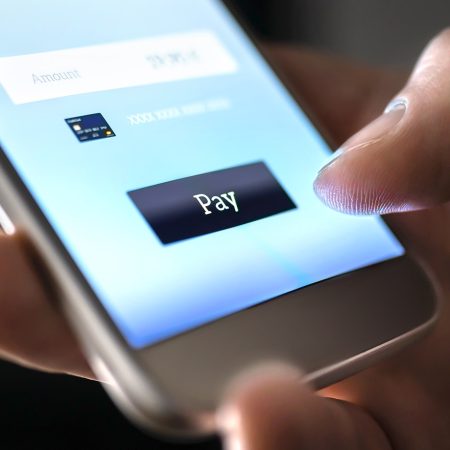
Payment processing used to be one of the biggest hurdles in event planning. Now, integrated payment systems handle everything from ticket sales to activity fees automatically. This means no more chasing checks or dealing with cash. Better yet, these systems provide clear financial tracking for your board’s records.

HOA Communications

Think about your last community email blast. Did everyone read it? Modern event management platforms offer multi-channel communication options, from email to text messages to mobile app notifications. You can track who’s seen your announcements and send targeted reminders to those who haven’t responded.

Analysis & Event Planning

Here’s where technology really shines: data collection and analysis. Every event becomes an opportunity to learn more about what works in your community. Track attendance patterns, analyze feedback, and use real numbers to guide future planning decisions. This isn’t just about counting heads – it’s about understanding your community’s preferences and patterns.

Mobile Connections & Online Signups

Mobile accessibility has become non-negotiable. Your residents expect to register, pay, and check event details from their phones. When your event management system offers this convenience, you remove barriers to participation and make it easier for everyone to stay involved.

Remember those volunteer coordination headaches? Digital tools can transform this too. Online volunteer signup sheets, automatic reminder emails, and clear task assignments keep everyone organized and informed. Plus, digital communication makes it easy to share last-minute updates or changes with your entire volunteer team instantly.

What Are the Best Practices for HOA Event Communication?

You’ve planned the perfect event, but getting the word out effectively can make or break your attendance. In today’s fast-paced world, communication needs to be strategic, timely, and impossible to miss. Let’s dive into how to keep your community in the loop without overwhelming them.

First impressions matter – especially in event announcements.

 Your initial communication should spark excitement while providing clear, essential details. Think of it like a movie trailer: give enough information to generate interest, but keep some surprises for the actual event. When residents can immediately envision themselves enjoying the event, they’re more likely to mark their calendars.

Timing is everything in event communication. 

Too early, and people forget. Too late, and they’ve made other plans. The sweet spot? For major events, start promoting 6-8 weeks in advance with save-the-dates. For smaller gatherings, 3-4 weeks usually works well. Always follow up with regular reminders as the event approaches.


Multi-channel communication isn’t just a buzzword. 

Communication is essential for reaching all your residents. Some neighbors check their email religiously, while others respond better to text messages or physical flyers. Use a mix of:

  • Community website updates
  • Email newsletters
  • Text message alerts
  • Social media posts
  • Physical bulletin board notices
  • Mailbox flyers for major events

Remember to make your RSVP process crystal clear and as simple as possible. 

The easier you make it for residents to respond, the more accurate your headcount will be. Consider using digital RSVP tools that send automatic confirmation emails and reminder notifications.

How Do You Handle HOA Event Finances?

How Do You Handle HOA Event Finances?

Money matters can make even the most experienced event planners nervous. But with clear strategies and transparent processes, managing event finances doesn’t have to be complicated.

Start with realistic budgeting based on historical data. If you’re planning a first-time event, research similar events in other communities to benchmark costs. Always build in a 10-15% buffer for unexpected expenses – because they will happen.

When it comes to ticket pricing, psychology plays a bigger role than you might think. Price points ending in 9 or 5 tend to feel more attractive to potential attendees. 

For example, $29 feels more reasonable than $30, even though the difference is minimal. But more importantly, ensure your pricing aligns with the perceived value of the event.

Consider these pricing strategies:

  • Early bird discounts to encourage early commitment
  • Family package deals for multi-person households
  • Member vs. non-member pricing if you allow outside guests
  • Tiered pricing for different levels of participation
  • Sponsorship opportunities to offset costs

Digital payment collection has become the gold standard for good reason. It reduces handling errors, provides instant confirmation, and creates an automatic paper trail. Plus, most residents prefer the convenience of paying online. Make sure your payment system can:

  • Process multiple payment types
  • Send automatic receipts
  • Track registration details
  • Generate financial reports
  • Handle refunds efficiently

Speaking of refunds – establish clear policies before you start collecting money. Will you offer full refunds up to a certain date? Partial refunds? Credit toward future events? Whatever you decide, make sure it’s clearly communicated during the registration process.

Consider offering payment plans for bigger events like community galas or holiday celebrations. Breaking up the cost into manageable installments can make participation more accessible for all residents. Just make sure your final payment deadline gives you enough time to finalize numbers with vendors.

Remember – transparency breeds trust. Share financial summaries with your board and be prepared to explain how funds were used. When residents see their money being managed responsibly, they’re more likely to support future events.

What Legal Considerations Apply to HOA Community Events?

What Legal Considerations Apply to HOA Community Events?

Let’s face it – nobody wants to think about liability issues when planning a fun community gathering. But taking care of the legal details upfront protects your community and lets you focus on creating great experiences without worry.

Insurance

Insurance isn’t just a checkbox – it’s your safety net. Your regular HOA insurance might not cover special events, especially those involving physical activities or large crowds. Check your coverage early and consider event-specific insurance for:

  • Large gatherings
  • Sports tournaments
  • Pool parties
  • Events with alcohol
  • Activities involving children

Licenses & Permits

Permits and licenses might seem like red tape, but they’re crucial for staying compliant. Your local municipality might require permits for:

  • Food service
  • Noise ordinances
  • Street closures
  • Large gatherings
  • Temporary structures
  • Entertainment licenses

Waivers

Waivers have become standard practice, especially for physical activities. While they might not prevent all legal issues, they demonstrate due diligence and help residents understand potential risks. Consider electronic waiver systems that make it easy to collect and store these documents securely.

Accessibility

Don’t forget about accessibility. The Americans with Disabilities Act (ADA) applies to community events too. Ensure your venues and activities are accessible to all residents. This isn’t just about physical accessibility – think about communication accessibility for hearing or visually impaired residents as well.

How Can You Measure HOA Event Success?

Success isn’t just about how many people showed up – it’s about the lasting impact on your community. Smart measurement helps you plan better events and justify your event budget to the board.

Start with the obvious metrics:

  • Attendance numbers compared to RSVPs
  • Financial outcomes versus budget
  • Volunteer participation rates
  • Registration speed (how quickly spots fill)
  • Social media engagement


Track trends over time. Are certain types of events growing in popularity? Are some days or times working better than others? This data becomes invaluable for future planning. This can include:

  • Post-event survey responses
  • Resident feedback (both formal and informal)
  • Number of new connections made
  • Creation of ongoing interest groups
  • Community engagement after the event

Don’t underestimate the power of photos and testimonials. They’re not just great for promoting future events – they help tell the story of your community’s success. Create a digital archive of event highlights that showcase your community’s vibrant social life.

Remember, success often sparks success. When residents see events being well-attended and enjoyable, they’re more likely to participate in future activities. Share your wins (thoughtfully) through community newsletters and social media.

What Are Common HOA Event Planning Challenges and Solutions?

What Are Common HOA Event Planning Challenges and Solutions?

Even the most seasoned event planners face hurdles. The key is anticipating common challenges and having backup plans ready to go.

Weather Issues

Weather is perhaps the biggest wild card in event planning. For outdoor events, always have:

  • A rain date clearly communicated
  • An indoor backup location if possible
  • Clear communication plans for weather-related changes
  • Refund policies specific to weather cancellations

Participation

Participation levels can be unpredictable. Combat this by:

  • Creating FOMO through early bird incentives
  • Sharing sneak peeks of event planning
  • Encouraging residents to bring friends
  • Building excitement through social media
  • Using past attendees as event ambassadors

How Do You Create an Annual HOA Event Calendar?

Strategic event planning isn’t just about organizing individual activities – it’s about crafting a year-round experience that keeps your community engaged and connected. A well-planned annual calendar becomes the rhythm of your neighborhood life.

Start with your community’s natural patterns. 

hen do most families return from summer vacation? When are school breaks? Which weekends tend to see higher resident attendance? Understanding these patterns helps you place events where they’ll have the highest impact.

Layer in your seasonal anchors first:

  • Spring: Easter events, garden workshops, spring cleanup days
  • Summer: Pool parties, outdoor movie nights, block parties
  • Fall: Harvest festivals, Halloween celebrations, back-to-school gatherings
  • Winter: Holiday markets, New Year’s celebrations, indoor social events

Balance is key. 

Avoid clustering too many events in one month or leaving long gaps without activities. A good rule of thumb is one major event per month, supplemented by smaller, regular gatherings like coffee mornings or game nights.

Think about your budget cycle. 

If your fiscal year ends in December, you might want to schedule bigger events earlier in the year when funds are more readily available. Save some budget for unexpected opportunities or resident-suggested events that pop up throughout the year.

Resource allocation becomes easier with an annual view. Consider:

  • Volunteer availability throughout the year
  • Seasonal weather patterns
  • Facility maintenance schedules
  • Local community events that might compete for attention
  • Holiday weekends and typical vacation periods


Get your community involved in the planning process. 

Send out an annual survey asking:

  • Which past events they’d like to see repeated
  • What new events they’d like to try
  • Preferred times and days for different types of events
  • Willingness to volunteer or lead specific activities
  • Budget priorities for various event types

Create traditions but stay flexible. 

While annual events become beloved community traditions, leave room in your calendar for new ideas and spontaneous gatherings. Sometimes the best community moments come from unexpected opportunities.

Pro tip: Use a digital calendar that’s easily accessible to all residents. Include:

  • Event dates and times
  • Registration deadlines
  • Early bird pricing cutoffs
  • Volunteer signup periods
  • Weather makeup dates
  • Planning meeting schedules

Treat your calendar as a living document. Regular reviews and adjustments keep your event schedule fresh and responsive to community needs. Document successes, challenges, and lessons learned to make each year’s planning process smoother than the last.

Successful HOA events don’t just happen – they’re the result of thoughtful planning, clear communication, and a deep understanding of what brings people together. With these strategies in place, you’re well on your way to creating a vibrant, engaged community that residents are proud to call home.

FAQ

How much should an HOA spend on community events?

Most HOAs allocate between 5-15% of their annual budget for community events. The exact amount depends on your community size, event frequency, and resident expectations. Consider starting with smaller events and scaling up based on participation and feedback.

Do HOA events increase property values?

Yes, active community events can positively impact property values. Neighborhoods with strong social connections and regular events tend to see higher property values because they’re more attractive to potential buyers who value community engagement.

Can HOAs charge for community events?

Yes, HOAs can charge reasonable fees for events to cover costs. Many communities use a mix of free and paid events, with larger celebrations often requiring ticket purchases while smaller gatherings remain complimentary.

How often should HOAs host community events?

Most successful HOAs host at least one event per month, with additional smaller activities scattered throughout. The key is finding the right balance for your specific community – enough to maintain engagement without causing event fatigue.


Are HOAs required to have community events?

While most HOA bylaws don’t require community events, they’re highly recommended for building community spirit and maintaining property values. Check your specific HOA documents for any requirements about annual meetings or social gatherings.

What insurance do I need for HOA events?

Beyond your standard HOA insurance, consider special event coverage for larger gatherings. This typically includes general liability coverage and may require additional riders for specific activities like sports tournaments or events serving alcohol.

How can I increase attendance at HOA events?

Focus on consistent communication across multiple channels, offer early bird pricing, encourage resident input in planning, and create FOMO through engaging promotional content. Personal invitations and word-of-mouth marketing from satisfied attendees also boost participation.

Ready to transform your community events from stressful to successful? HOA Start’s comprehensive event management platform makes planning, promoting, and executing community events easier than ever.

Get started today

HOA Start software and our community website support provide all the tools you need to operate your association efficiently and effectively. Are you ready to take the next step? Join the network of HOA Start customers and share the success with your community. Call 863-462-7483 to speak with a team member, or click here to send us an e-mail message today.

Submit your question and learn more about how HOA Start can power up your community

We would love to hear from you.
Let your new community website be a SHOWSTOPPER! Contact us today to request your FREE TRIAL. We are here to help get you up and running in no time.

REQUEST A FREE TRIAL!

Get Started