


How To Collect HOA Dues Electronically?
Collecting HOA dues can feel like wrangling cats, right? You’ve got checks coming in late, lost in the mail, or—let’s be honest—some that just never show up. It’s a headache for both the managers and the residents.
But what if you could boost the chances that your HOA dues come in on time, without having to chase down anyone? Sounds like a dream, right?
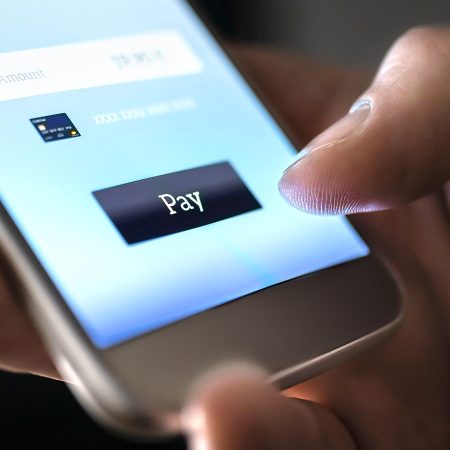
Online payment options for HOAs make it easy for residents to pay their dues and for managers to receive them. With just a few clicks, dues can be paid directly from the resident’s bank account or credit card. No more waiting for checks in the mail or chasing down late payments.
Most HOAs can utilize a variety of online payment options directly from their HOA management software – and best of all, these services are often included in the software package.

What Goes Into HOA Fees?
Think of an HOA fees as a membership fee to a thriving community. Rather than a cost that residents are forced to pay, it’s actually an investment in the overall well-being and maintenance of the community.
Typical HOA fees cover a wide range of expenses, including common area upkeep, landscaping, security services, insurance premiums, and HOA amenities like pools and gyms. They also often go towards funding for community events and activities.
The problem comes when those HOA fee’s aren’t transparent, or it’s difficult for residents to know exactly where their money is going. Without proper management and transparency, HOA fees can quickly become a source of frustration for homeowners.
That’s why it’s important for HOAs to utilize software that not only streamlines payment options but also provides detailed breakdowns of where the fees are being allocated. This level of transparency can help foster trust and satisfaction among community members, as well as prevent potential conflicts over fee discrepancies.
How Do Electronic HOA Fee Payment Systems Work?
With online HOA Fee payment systems, homeowners can easily view and pay their fees through a secure online platform. This eliminates the need for physical checks and mailing in payments, which can be time-consuming and prone to errors.
There are a few other key benefits of an online payment system that residents and boards will love:
1. Convenience and Accessibility
Online payment systems allow homeowners to pay their fees at any time, from anywhere. This flexibility makes it easier for busy residents to manage their payments and reduces the chances of late or missed payments.
2. Automatic Payment Reminders
Many online HOA Fee payment systems offer automatic reminders via email or text message when a payment is due. Imagine if all residents received a reminder a few days before the due date – this would greatly reduce late payments and save time for both homeowners and the board.
3. Record-Keeping
With an online payment system, there is no need to keep physical records of payments. Homeowners can easily access their payment history and receipts through the platform, making it easier for them to track their expenses and stay organized.
4. Secure Transactions
Online HOA fee payments are typically processed through secure platforms, ensuring that sensitive information such as bank account or credit card numbers are protected. This gives peace of mind to both homeowners and boards when it comes to financial transactions.
5. Cost Savings
Using an online payment system can also save money in the long run for both the association and homeowners. Physical checks and paper statements can be costly to print, mail, and process. With HOA online payments, these expenses can be significantly reduced.
What To Look For In An Online HOA Fee Payment System
When choosing an online HOA fee payment system, it is important to look for certain features and benefits. Here are a few things to consider:
You Need An Easy User Interface
Residents are tech savvy – but they aren’t likely to spend a lot of time trying to figure out how to use an online payment system. A simple and intuitive interface is key for encouraging adoption and making the process as easy as possible for everyone.
Security Is A Key Factor
Residents want both convenience and security – so they want it to be easy to input their payment information, but also know that their personal and financial data is being kept safe. Look for a system that uses encryption technology and has multiple layers of security to protect sensitive information.
Options For Recurring Payments
Many HOA fees are recurring monthly or quarterly payments. An online payment system should have the option for residents to set up automatic payments, so they don’t have to remember to manually pay each month. This increases efficiency for both residents and the HOA.
Integration With Accounting Software
To make life easier for your HOA board members, it’s important to choose an online payment system that can seamlessly integrate with your existing HOA accounting software. This will save time and reduce the potential for human error when inputting payment data into your records.
Make The Shift to Electronic HOA Fee Payment – Your Residents Will Thank You
Don’t risk the frustration and inconvenience of constantly processing paper checks for HOA fees. By implementing an online payment system, you can streamline the entire process and save time and resources for both the HOA and its residents.
When you find the right online payment system, make sure to have a plan for how to integrate it with your existing accounting software. This may require some additional training or setup, but in the long run, it will greatly benefit your HOA’s financial management.
In the end, when you know that your residents are equipped to pay their fees in a quick and convenient manner, you can focus on other important tasks that keep your community running smoothly.
Want to learn more about how online payments can help HOA financials thrive? HOA Start offers the best HOA management suite with all the features you need. Try the demo today and see how it can streamline your payment process!
Frequently Asked Questions
Q: What are the benefits of collecting HOA dues electronically?
A: Collecting HOA dues electronically offers several advantages, including:
- Convenience for residents, allowing them to pay anytime and anywhere.
- Improved cash flow for the HOA, as payments are processed quickly.
- Reduced administrative costs associated with paper checks and manual processing.
- Enhanced record-keeping, making it easier to track payments and manage finances.
Q: What payment methods can I use for electronic HOA dues collection?
A: Common payment methods for collecting HOA dues electronically include:
- Credit and debit cards for immediate transactions.
- Bank transfers for direct deposits.
- Online payment platforms like PayPal or Venmo.
- Recurring payment options for automatic monthly collections.
Q: How do I choose the right electronic payment system for my HOA?
A: When selecting an electronic payment system, consider the following factors:
- User-friendly interface for both board members and residents.
- Cost structure, including transaction fees and monthly charges.
- Security features to protect sensitive financial information.
- Integration capabilities with existing accounting software.
Q: What security measures should be in place for electronic payments?
A: Ensure that the electronic payment system has the following security measures:
- Encryption technology to safeguard data transmission.
- Two-factor authentication for user accounts.
- Regular security audits and compliance with industry standards.
- Fraud detection mechanisms for unusual transaction patterns.
Q: How can I encourage residents to switch to electronic payments?
A: To motivate residents to adopt electronic payments, try these strategies:
- Communicate the benefits, such as convenience and speed.
- Offer discounts or incentives for early electronic payments.
- Provide clear instructions and support during the transition.
- Host informational sessions to address any concerns.
Q: What should I do if a resident has trouble making an electronic payment?
A: If a resident encounters issues with electronic payments, follow these steps:
- Provide clear contact information for tech support or assistance.
- Guide them through common troubleshooting steps.
- Offer alternative payment options to ensure dues are collected.
- Follow up to ensure the issue is resolved satisfactorily.
Q: How can I manage late payments with electronic systems?
A: To effectively manage late payments, consider these approaches:
- Set up automated reminders for upcoming and overdue payments.
- Implement late fees as outlined in your HOA guidelines.
- Provide flexible payment plans for residents facing financial difficulties.
- Maintain open communication to address concerns proactively.
Q: What are the legal considerations for collecting HOA dues electronically?
A: When collecting dues electronically, keep these legal considerations in mind:
- Ensure compliance with state and federal regulations regarding electronic payments.
- Review your HOA’s governing documents for any specific requirements.
- Maintain transparent records of all transactions for legal purposes.
- Consider consulting with a legal advisor to avoid potential issues.
